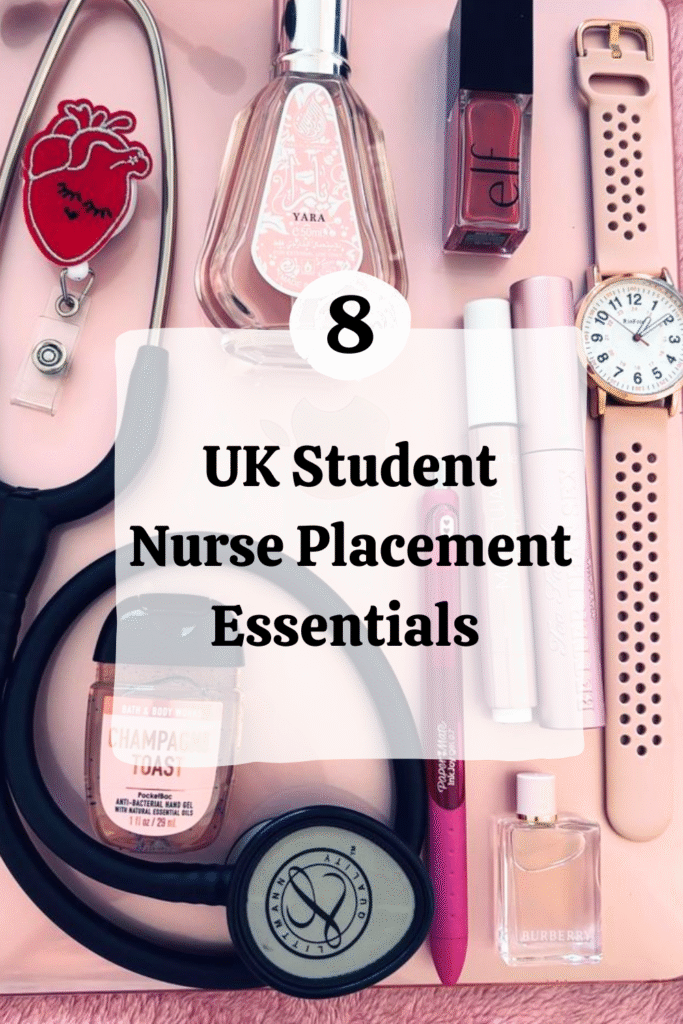
Introduction
If you are here, chances are you are about to start placement and you don’t know what items you should get to ensure you have the best experience ever. If this is you, please stay as I try to help as much as I can.
My credentials, you may ask
I’ve finished my Adult Nursing Course in 2023 with a First Class Degree. I then went straight to one of the biggest ITUs in the UK as a newly qualified nurse and where I am still currently working at while also being a Practice Assessor and a Link Nurse for Student Nurses. This being said, I really really hope you find this guide useful <3
First things first: what are placements?
Placements allow student nurses to immerse themselves in real-world healthcare environments, where they can learn from experienced professionals and apply their skills in diverse clinical settings. The importance of these placements cannot be overstated, as they serve as the bridge between academic learning and practical application, which is essential for fulfilling the competencies required for professional registration.
Nevertheless, as you might know already, they can also be challenging and to navigate these challenges effectively, being well-prepared is crucial. In this context, being prepared means not only having a solid understanding of what will be expected from you but also having the right tools and resources to aid you in this. The right items can significantly facilitate your learning, enhance the quality of patient care and contribute to a smoother transition into a registered nurse. As we delve deeper into the essentials that I believe student nurses should consider for their placements, it becomes clear that these items serve as foundational support in the your journey to become a competent and confident nurse.

What Every UK Student Nurse Needs
I wish someone did the same with me but before we get into it, let me hold your hand when I tell you that you won’t need a stethoscope and won’t be wearing cute FIGS scrubs :’)
Shoes, shoes, shoes!
A critical component of nursing gear is comfortable footwear. Shifts can stretch for long hours, making supportive shoes a necessity. When choosing shoes, always prioritise comfort over aesthetic. In practice, everyone’s shoes are funny-looking but they do the job. Look for black, cushioning, arch support, easy to wipe (bodily fluids including poop) and slip-resistance shoes, as these are often requirements of a lot of unis so make sure you check your own uniform policy first.
You’ll be able to find really good and not so expensive shoes on Amazon like I did with mine and they lasted all those 3 years, and mind you, I also did a lot of bank shifts as a HCA. My Clarks were warriors and fought a good fight.
We spoke about shoes, now it’s socks time.
Compression socks are incredibly important as they are an essential part of staying healthy and energised through long, demanding shifts. Here’s why:
🩺 Reduce leg fatigue and pain
Walking for 8–12 hours a day puts constant pressure on our legs and compression socks helps improve circulation and thus push blood back toward the heart, reducing swelling, soreness, and the heavy feeling that can come after long shifts.
🦵 Prevent varicose and spider veins
Prolonged standing can cause blood to pool in the lower legs, leading to varicose veins over time. Compression socks apply gentle, graduated pressure that helps prevent vein damage and promotes healthy blood flow.
💧 Minimise swelling (oedema)
Long hours on the feet often cause ankle and foot swelling. Compression socks limit fluid buildup in the legs, keeping feet and ankles more comfortable and fitting better in shoes throughout the day.
⚡ Improve energy and endurance
Better circulation means more oxygen delivery to muscles, which reduces fatigue and helps you stay active and alert during long shifts. Some reports suggest that nurses feel less tired and achy after wearing compression socks regularly.
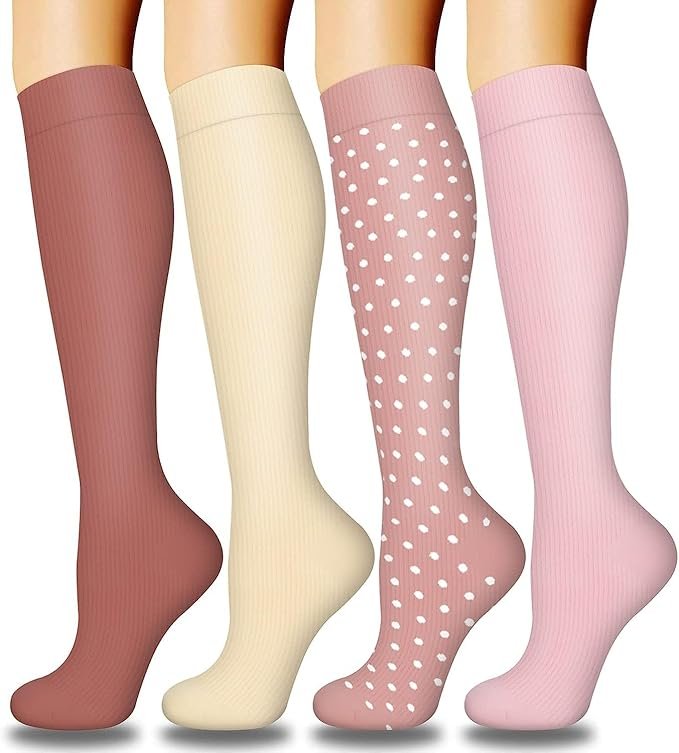
(I have managed to find this cute pack of 4 socks on Amazon for £9.99 and they have pretty good reviews so they might be worth it having a look at! )
A good-quality bottle of water, trust me
Studies have shown that even mild dehydration can impair cognitive abilities, leading to decreased efficiency and potentially affecting patient care. And as you know, when you go to placement, you will expected to be on your feet for long hours running around doing 10 thousand things at the same time while also maintaining the safety of your patients and delivering high-quality care. In the hustle and bustle of busy clinical environments, it’s easy to overlook something as fundamental as hydration but having access to a good quality bottled water can make a world of difference.
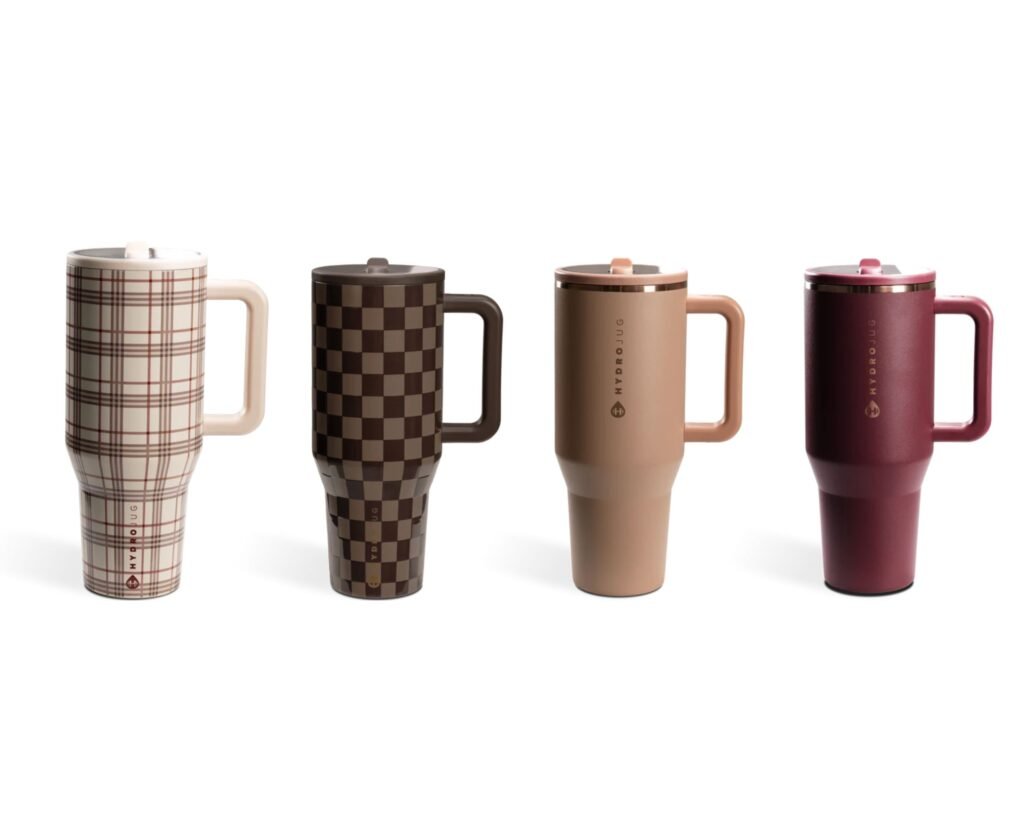
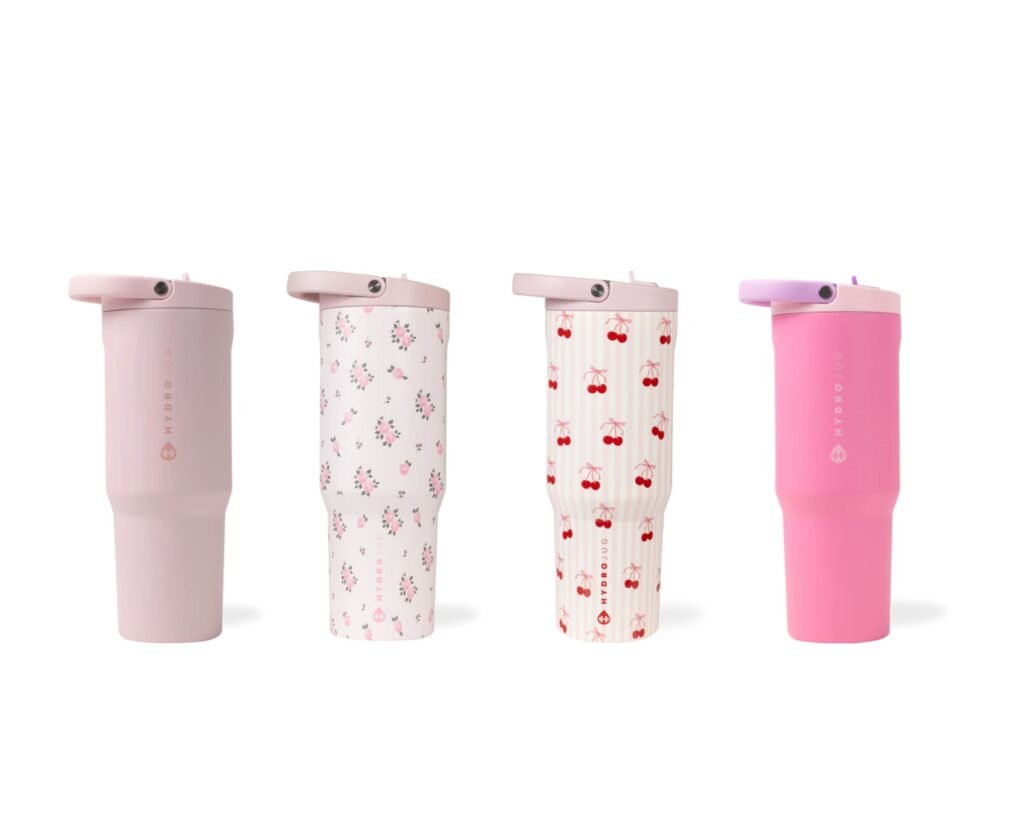
Personally, as an ITU girly, my Hydrojug is my best friend! Although Stanleys look as cute, a lot of reviews showed that they leak and it was a big “no, no” for me. I remember vividly when I first got my Hydrojug, I had finished a long day at 20:00, filled the cup with some water and ice on my way out, got home, slept and guess what?? THE ICE WAS STILL THERE ON THE FOLLOWING DAY!! She was a bit pricey but 100% worth it!! Plus, they offer a lifetime warranty on all manufacturer defects which is a bonus.
A reliable fob watch is also essential. The reason why you need this is to mainly take observations like HR and RR not only on placement but also in your OSCEs. Needless it is to say that you’ll also be able to keep track of time instead of using your phone which gives off a sense of professionalism, thus instilling confidence both in you as a student and your patients. It should be functional, with a clear face that allows for easy reading with waterproof or easy-to-clean features.
Girl math: since my friends and I were broke during uni, we got this pack of 3 fob watches for £6.95 and divided by the 3 of us, which totaled £2.30 each.

Notebook and pens
If your first placement ever is approaching, there is a very high chance that all your brain cells will be working overtime because of the ridiculous amount of new information you are going to learn. Having a pocket-sized notebook will save you the stress of memorising everything and you can always refer back to it whenever. Oh and by the way, nurses loveeee when students take notes because it shows that they are paying attention to what they are being told and suggests that they are also very keen to learn. I will post more tips on how to stand out and pass every placement successfully later on, but for now: asking a reasonable amount of questions will definitely give you some brownie points.
Pens! Get tons of them. I can guarantee you that you won’t finish uni with the same pens you started with. Clinical areas are very scary places for pens and you will soon find out why. Hide them at all costs.
You can easily find notebooks and pens in the stationary of basically every supermarket but I’ve found a pack of 8 pens on Amazon for £2.75 with loads of amazing reviews.
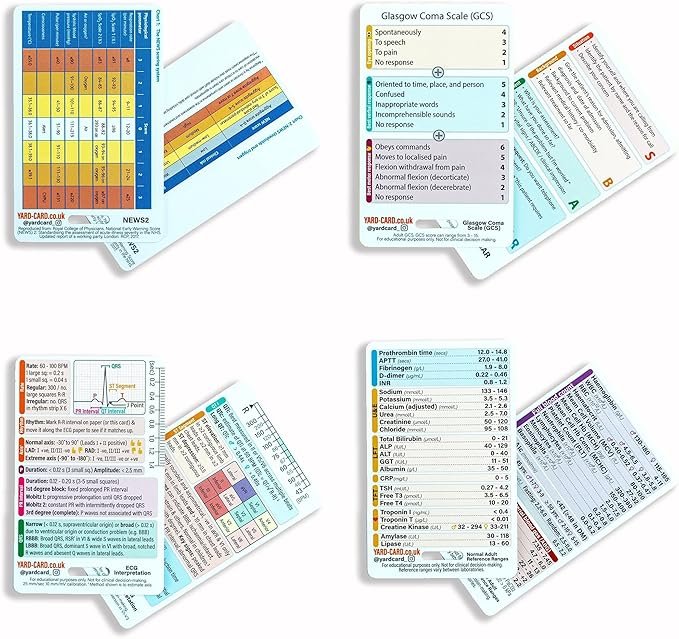
Not sure about your patient’s heart rate? Forgot how to calculate the GCS score? No biggie. This set includes ECG, Blood Test Ranges, Glasgow Coma Scale, SBAR, & NEWS2 cards which are extremely convenient since you can easily keep them with you and access them whenever you need them.
If you want a more affordable option, you can always write these down on your little notebook before you start placement 🙂
If you are a type A personality who loves organisation or if you’re exploring new ways of making your life a bit easier, you are going to love this one.
A lot of clinical areas don’t have a standard handover sheet with details of the patients you will be looking after and there is nothing worse then losing your random piece of paper that contained crucial information mid-shift. For this reason, I have developed handover sheets that until today help me a lot with efficiently managing my time and knowing exactly what is going on with every single patient. Another really good advantage about implementing these sheets early when you’re a student is that you will feel like you are in control of the care you’re delivering which will significantly develop your leadership, communication and coordination skills.

Mini hygiene kit
Considering that you are going to be away from home for 8-12 hours, make sure you take with you to placement things that matter to you. I am talking about lip balm or gloss, hand cream, deodorant, perfume, wipes, hair ties and cute scrunchies, hair brush, bobby pins, mini mirror and even tooth brush and paste. Feeling good about yourself is so important. You will be busy looking after your patients and the last thing you want is for you to feel self-conscious about (a very natural) body odour or something in your teeth and not being able to do anything about it. Take care of yourself too. Never forget that <3